
Historic Election Outcome
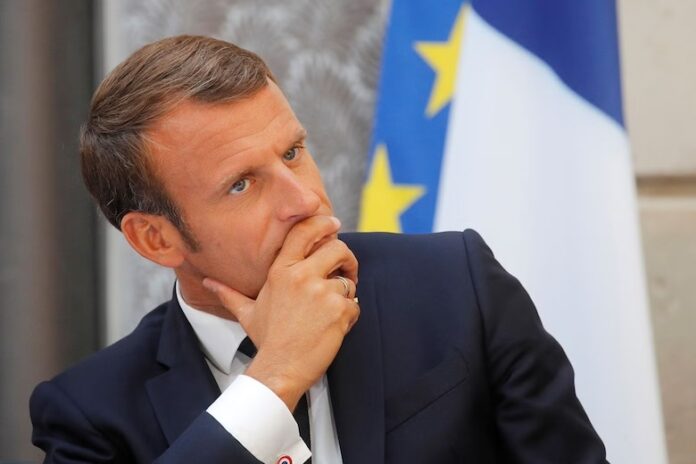
Following a significant defeat to Marine Le Pen’s right-wing party in the European elections, French President Emmanuel Macron announced the dissolution of the French parliament. This decision follows the National Rally’s unprecedented success, securing around 31% of the vote, compared to Macron’s Renew Party, which garnered only half that support.
Macron’s decision to call for new elections, scheduled for June 30 and July 7, shocked the nation. He emphasized the need for trust in the French people to make the right choice for their future.
Implications for Macron’s Leadership
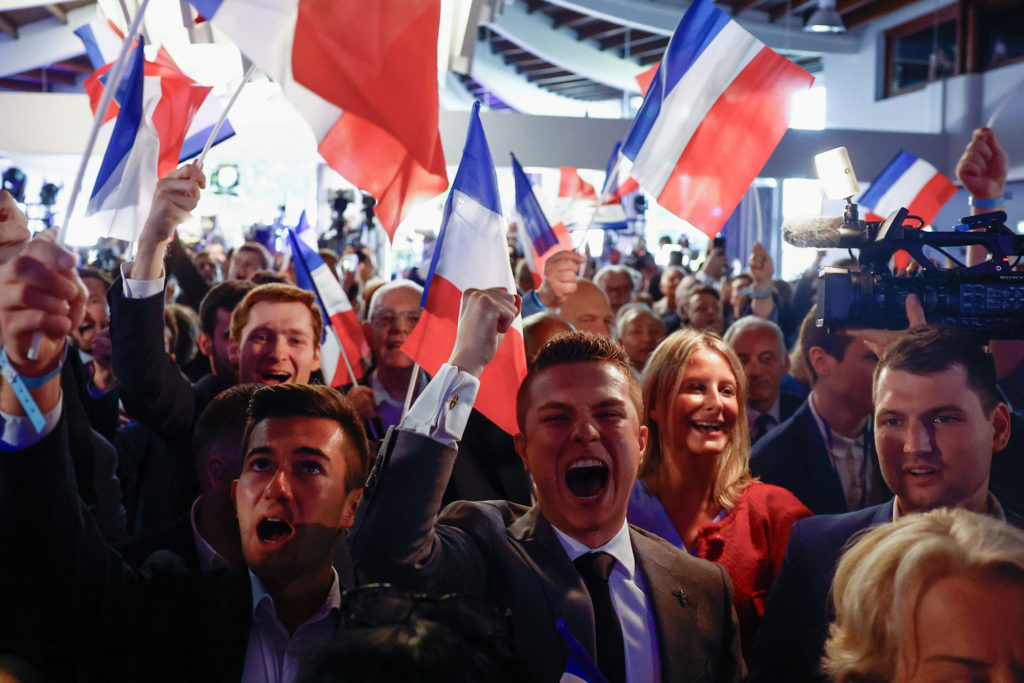
National Rally leader Jordan Bardella declared the results as an “unprecedented rout for the powers that be,” marking the beginning of the post-Macron era. Macron’s call for parliamentary elections could lead to further losses for his already unpopular party. This opens the possibility of a cohabitation government, where Macron might be forced to appoint a prime minister from a rival party, such as Les Républicains.
Rise of Right-Wing Parties Across Europe
The right-wing surge was not limited to France. Across Europe, right-wing parties demonstrated significant strength in the EU elections. This trend is likely to impact the EU’s leadership and policies, particularly regarding environmental goals and migration rules.
Challenges for EU Leadership
Despite setbacks, pro-EU parties still hold a majority in the European Parliament. However, the rise of nationalist and far-right parties poses challenges for the EU’s ability to maintain its current policies. The elections signal a shift in Europe’s political landscape, with increased pressure to tighten migration rules and reevaluate environmental goals.
Economic and Political Uncertainty
The election results have also affected financial markets, with European bonds and futures experiencing declines. Political uncertainty in Europe, combined with potential high CPI in the US, has led analysts to anticipate further volatility in the Euro.
Broader Political Implications
In Germany, Chancellor Olaf Scholz’s Social Democrats faced a historic loss, finishing third behind the far-right Alternative for Germany and the center-right alliance. This result further complicates the German government’s position in European policy-making. The rise of the far-right and nationalist parties across Europe suggests a significant shift towards more conservative and anti-immigration stances.
Future Elections and Political Stability
Upcoming elections in France and Germany will be crucial in determining the future political landscape. The results will influence the EU’s leadership and its approach to critical issues such as migration, environmental policies, and fiscal sustainability.
