
September 11, 2024
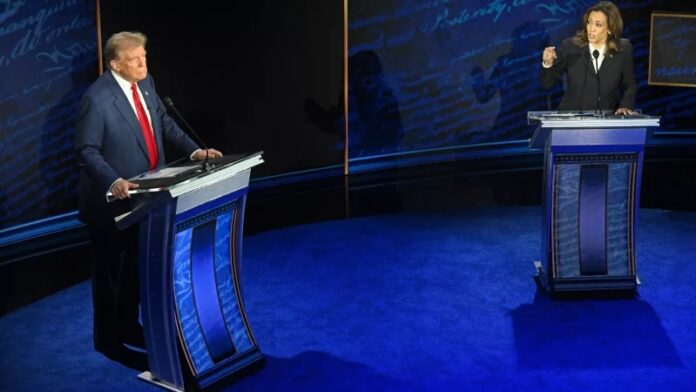
Harris Outmaneuvers Trump in Debate
In a recent debate, Kamala Harris displayed a strong command of the conversation, while Donald Trump struggled to stay on topic. Harris, well-prepared with a strategy to highlight her opponent’s weaknesses, demonstrated her ability to steer the discussion effectively. Trump, on the other hand, often veered into irrelevant personal attacks and conspiracy theories, failing to address critical topics such as immigration and national policy.
Trump’s Missteps on Immigration
One key moment came when Trump was asked about immigration. Instead of answering the question directly, Trump quickly shifted focus to personal complaints about his rallies and baseless accusations that Harris paid people to attend hers. This diversion allowed Harris to further expose Trump’s lack of discipline and inability to stay on message.
Trump also introduced an unverified story about immigrants eating pets in Springfield. This outlandish claim, which originated from an unreliable Facebook post, was quickly discredited, revealing Trump’s reliance on dubious sources. His failure to engage with the issue of immigration in a meaningful way only deepened concerns about his readiness to handle complex national challenges.
Harris’s Clear Strategy
Harris’s approach during the debate was clear from the start: keep the focus on Trump’s flaws rather than delving into policy specifics. Early in the debate, she set the tone by warning viewers that Trump would rely on personal attacks and distractions. This strategy helped her effectively counter his remarks and maintain control of the conversation.
Harris’s ability to predict Trump’s responses and outmaneuver him demonstrated her preparedness. Her method was simple but effective: whenever Trump went off-topic, she used it to point out his self-centered nature, showing that he prioritizes his grievances over the concerns of voters.
Trump’s Reaction and Internal Campaign Fallout
Trump’s debate performance may have long-term consequences for his campaign. His failure to address critical issues like immigration could alienate undecided voters who are concerned about national security and policy. In addition, his focus on conspiracy theories and far-right rhetoric might further isolate him from the wider electorate.
Trump’s inability to control the narrative and his visible frustration during the debate revealed deeper issues within his campaign. His tendency to lash out at his staff and blame others for his missteps suggests growing internal strife. Advisers may now face heightened scrutiny as Trump seeks to shift responsibility for his poor performance.
Harris’s Strong Public Perception
Harris’s performance reinforced her position as a confident and prepared candidate. Her composed demeanor, combined with her ability to counter Trump’s disjointed attacks, likely resonated with undecided voters. Rather than diving into policy details, she chose to frame Trump as a self-serving figure, a move that helped her maintain control of the debate.
This strategic decision paid off. By focusing on Trump’s character flaws rather than discussing specific policies, Harris presented herself as a leader who could stand up to a challenging opponent. Her success in the debate may improve her standing in the polls as voters take note of her ability to remain focused on the concerns of the electorate.
The Issue Exposed: Trump’s Weaknesses in Debate
The debate showcased significant issues in Trump’s approach, most notably his inability to stay focused on pressing topics like immigration. Instead, his reliance on unverified stories and his tendency to wander off-topic exposed his weaknesses. Harris’s ability to anticipate and outmaneuver Trump, combined with her strategic focus on his character, highlights the challenges Trump faces in reaching beyond his core supporters.
As the election nears, Trump’s performance in this debate raises questions about his ability to lead effectively. His continued use of far-right rhetoric and reliance on questionable sources risk further alienating undecided voters, making it increasingly difficult for him to secure the broader support needed to win.
