
US Confirms Israeli Strike on Iran: Military Constraints and Proxy Warfare
The United States recently confirmed Israel’s plans for a retaliatory strike against Iran, escalating tensions between these nations. This response follows Iranian missile attacks on Israel, prompting Israeli Defense Minister Yoav Gallant to vow a “deadly, precise and surprising” counterattack. Both Israel and Iran, however, face significant military limitations in executing long-range strikes, making direct confrontation difficult. These constraints force both countries to rely on external support and proxy forces to expand their influence in the region. The conflict may also pull in regional powers like Saudi Arabia, Jordan, and the UAE, further complicating the geopolitical landscape.
Israel’s Military Challenges: Reliance on US Support
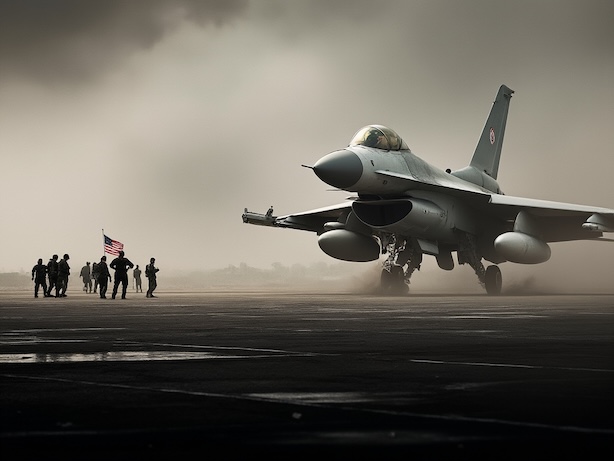
Israel’s fighter jets, including the advanced F-35I Adir and F-16I Sufa, face logistical challenges in executing long-range missions against Iran. These aircraft have limited ranges, particularly when carrying heavy ordnance, necessitating mid-air refueling for extended operations. However, Israel’s refueling fleet is relatively small, making it difficult to sustain large-scale operations without significant assistance from the United States. The logistical challenges of coordinating refueling missions and navigating hostile airspace complicate Israel’s ability to strike deep into Iranian territory. Without US logistical and military support, Israel’s capacity to execute a sustained air campaign against Iran would be greatly diminished.
Securing overflight permissions from countries like Jordan and Saudi Arabia adds another challenge, as their airspace is crucial for reaching Iran. These nations may hesitate to grant permission due to fears of potential Iranian retaliation, further limiting Israel’s operational capabilities. Israel’s stealth technology may allow its jets to avoid radar detection, but logistical and diplomatic hurdles remain significant. Therefore, Israel’s reliance on the US for refueling, intelligence, and airspace coordination highlights Israel’s inability to act alone. As a result, Israel cannot maintain a prolonged military campaign against Iran without extensive support from the United States.
Iran’s Military Constraints: Dependence on Proxy Forces
Iran, facing its own military limitations, cannot directly engage Israel with its outdated fleet of F-14s, F-4s, and MiG-29s. Iran’s previous attempts to attack Israel using ballistic missiles and drones have largely failed due to Israel’s advanced air defense systems. Given these constraints, Iran avoids direct military confrontation with Israel and instead relies heavily on its network of proxy forces. Tehran’s proxies in Iraq, Lebanon, the Palestinian territories, and Yemen are pivotal in challenging Israeli interests across multiple fronts. These proxy forces allow Iran to apply pressure on Israel without risking a direct military engagement.
Iran’s strategy involves providing arms, intelligence, and financial support to these proxy forces, allowing them to continue their operations against Israel. This approach enables Iran to open new fronts and divert Israel’s attention, thus weakening the Israeli Defense Forces. Although some have questioned the loyalty of Iran’s proxies, such as Hezbollah, these groups remain dependent on Iranian support. Iran’s influence over these proxies ensures that it can continue exerting pressure on Israel without risking its own military forces. By relying on these forces, Iran maintains its strategic advantage without directly engaging Israeli military capabilities.
The United States and Regional Powers in Israel-Iran Conflict
The United States plays a key role in supporting Israel’s military operations, particularly through refueling and securing airspace permissions from neighboring countries. Without US logistical and intelligence assistance, Israel can not carry out effective long-range strikes against Iran. In addition to direct military support, the US is also coordinating diplomatic efforts with regional players such as Saudi Arabia, Jordan, and the UAE. These nations, which have their own stakes in maintaining stability in the Middle East, are instrumental in shaping the conflict’s progression. Their cooperation, or lack thereof, could significantly impact Israel’s ability to carry out its retaliatory plans.
The UAE, for instance, has balanced diplomatic relations with both Israel and Iran, positioning itself as a mediator in the region. While the UAE has not openly supported Israel’s military actions, its influence could prove vital in managing broader regional responses to the conflict. Saudi Arabia and Jordan, as key US allies, are also navigating their own complex positions in this confrontation. These countries’ decisions on whether to allow Israeli jets to fly through their airspace will have a significant impact on the success of Israeli operations. Their involvement adds another layer of complexity to an already volatile situation, showing the importance of regional alliances.
Bashar al-Assad’s Dilemma: Balancing Tehran’s Influence and Regional Pressures
Bashar al-Assad, who relied on Iranian military support during Syria’s civil war, now finds himself in a complicated position. Iran’s assistance was crucial for Assad to maintain control in Syria, particularly through Hezbollah’s support. However, as regional dynamics shift, Assad is attempting to distance himself from Tehran’s influence while trying to keep his country stable. Iran’s involvement in the Israel conflict puts Assad in a precarious position, as aligning too closely with Tehran could invite further instability in Syria. Recent meetings between Assad and Iranian officials indicate that Syria is attempting to remain neutral amid escalating tensions between Israel and Iran.
Simultaneously, countries like Turkey are taking advantage of the weakening influence of Hezbollah and Iran in Syria to expand their own regional presence. This shift in regional power dynamics forces Assad to balance his relationships with both Tehran and Ankara, as he seeks to maintain his grip on power. As Gonul Tol of the Middle East Institute explains, “If it translates into a longer-term weakening of Iran and allied Shiite groups, including Hezbollah, that will really pave the way for Turkey to play a more dominant role in Syria and Iraq.” While Assad publicly supports Iran, his actions suggest increasing caution toward becoming too closely tied to Tehran’s regional ambitions.
Growing Distrust Among Iran’s Proxies: Hezbollah’s Frustration
When Hezbollah called on Iran for assistance during intense fighting with Israel, Iranian officials refused to intervene, citing diplomatic reasons. This decision left Hezbollah to face the Israeli military alone, leading to significant losses for the group. Iranian officials claimed that the timing was not right because President Masoud Pezeshkian was attending the United Nations General Assembly. Hezbollah’s leaders, left isolated during their confrontation with Israel, have begun to question Tehran’s commitment to their cause.
The assassination of Hassan Nasrallah, Hezbollah’s longtime leader, has significantly heightened suspicions among Hezbollah supporters, particularly concerning Iran’s possible role in the event. New information suggests that a mole within the Iranian military, potentially a spy for Israel, might have contributed to Nasrallah’s death. Iranian Quds Force commander Esmail Qaani, who has disappeared under mysterious circumstances, is currently under investigation on suspicions of espionage. These suspicions, fueled by reports that Qaani’s chief of staff may have leaked intelligence to Israel, have created a serious rift between Tehran and its proxies. The fallout from Nasrallah’s assassination, combined with the growing distrust of Iran within Hezbollah, may further weaken Tehran’s influence and its ability to project power through its regional alliances.
The Impact of Proxy Warfare and Strained Alliances
Both Israel and Iran face significant limitations that prevent them from engaging in direct, sustained military conflict without external support. Israel relies on the United States for logistical and military assistance, while Iran depends on its network of proxy forces to challenge Israeli interests. These limitations create a complex web of alliances and proxy warfare that shapes the regional conflict. As regional powers like Saudi Arabia, Jordan, and the UAE navigate their roles, their decisions will influence the conflict’s progression. Meanwhile, Iran’s strained relationships with its proxies, particularly Hezbollah, may reduce its ability to project power and challenge Israel effectively.
The distrust growing among Iran’s proxies, coupled with the country’s reluctance to engage directly in military conflicts, signals a weakening of Tehran’s influence in the region. Israel’s military might and ability to strike at key Iranian allies further complicates the situation, leaving Iran’s proxies vulnerable. Iran’s failure to support Hezbollah and other allies during critical moments has raised questions about its commitment to the Axis of Resistance. As a result, the regional conflict may continue to evolve, with both Israel and Iran seeking alternative strategies to maintain their positions of power.
