
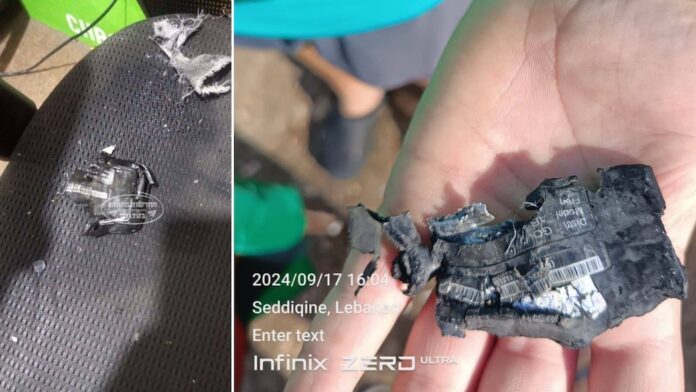
A Covert Operation: How Israel Sabotaged Hezbollah’s Pagers
Israel is suspected of carrying out a sophisticated attack on Hezbollah’s communication network, targeting their use of pagers in an unprecedented and deadly manner. This operation, reminiscent of NSA interception tactics revealed by Edward Snowden, resulted in widespread injuries and multiple deaths. By intercepting and modifying pagers used by Hezbollah operatives, Israeli intelligence orchestrated a coordinated, lethal sabotage.
Intelligence Gathering: Tracing Hezbollah’s Supply Chain
The success of this operation relied heavily on detailed intelligence gathering. Israel first identified Hezbollah’s supply chain for acquiring pagers. Mossad and Unit 8200, Israel’s intelligence agencies, played a pivotal role in this effort. Through their surveillance capabilities, they mapped the flow of pagers into Lebanon, pinpointing weaknesses in the supply chain. These vulnerabilities allowed Israeli operatives to intercept the devices at key points, ensuring that they could modify them without detection.
Intercepting and Modifying the Devices
Once Israeli intelligence located weak points in Hezbollah’s supply chain, the next phase involved intercepting the pagers. Much like the NSA’s techniques, these devices were physically intercepted during transit, modified, and returned to their shipping routes without arousing suspicion.
Engineers implanted small quantities of high-grade explosives, such as PETN or RDX, inside the pagers. The challenge was fitting the explosives within the pager while maintaining its external appearance and functionality. Using micro-electromechanical systems (MEMS) or flat bridge-wire detonators, the engineers ensured that the pagers would still operate as expected. These modifications allowed Hezbollah fighters to continue using the pagers without realizing the danger inside.
Delivering the Compromised Pagers
After modification, the pagers were carefully repackaged and reintroduced into the supply chain. This step required precision, as any sign of tampering would have jeopardized the entire operation. Israeli operatives executed this stage flawlessly, allowing Hezbollah to receive and use the pagers as planned.
The compromised pagers were distributed among Hezbollah, who unknowingly carried devices primed for sabotage. This phase mirrored NSA operations, where intercepted hardware was modified and returned undetected to its original destination.
Coordinating the Deadly Detonation
The final phase of the operation involved the detonation of the modified pagers. Israeli intelligence timed the explosions to occur simultaneously across different regions of Lebanon. A remote signal was sent to trigger the explosives embedded in the pagers, causing widespread destruction.
The explosions resulted in numerous injuries and deaths, including the loss of key Hezbollah figures. Hospitals across Lebanon were overwhelmed as the scale of the attack became clear. The coordinated nature of the detonation highlighted the planning and precision behind the operation.
Motorola’s Role in the Pagers
Motorola’s long-standing presence in Israel provided critical technological infrastructure for this operation. The company has a history of collaboration with the Israeli military, supplying telecommunications and surveillance systems used in military and security operations. Motorola’s Electronic Fence Radar System (EFRS), for instance, has been used to monitor illegal Israeli settlements and military camps.
Motorola’s pagers, widely used by Hezbollah operatives, became the central tool in this sabotage. It is likely that Israeli intelligence exploited Motorola’s supply chain or production processes to modify the devices. Whether Motorola was directly involved in this operation remains unclear, but their technology played a critical role in the success of the sabotage.
Motorola’s Involvement in Conflict Zones
Motorola’s involvement in Israeli military operations has drawn criticism and controversy over the years. The company has been accused of supplying technology that reinforces military control over occupied territories. For example, Motorola’s telecommunications systems have been used in checkpoints and other military installations in the West Bank, further entrenching the occupation.
The question of whether Motorola knowingly participated in the pager sabotage operation remains open. It is possible that Israeli intelligence acted without Motorola’s knowledge, intercepting and modifying their devices without the company’s consent. Regardless, Motorola’s products were central to this deadly attack, raising ethical concerns about their role in conflict zones.
A Calculated Operation by Israeli Intelligence
This operation demonstrates Israel’s ability to combine cyber and physical sabotage techniques in warfare. By intercepting and modifying pagers, Israeli intelligence inflicted severe damage on Hezbollah’s operations. This attack shows how modern espionage can leverage technology for devastating results.
This operation also highlights the risks posed by global supply chains in military conflicts. Israel’s success in exploiting Hezbollah’s supply network showcases the vulnerability of technological systems used by Hezbollah groups.
