
Potential Civil Unrest in Lebanon: A Brewing Crisis
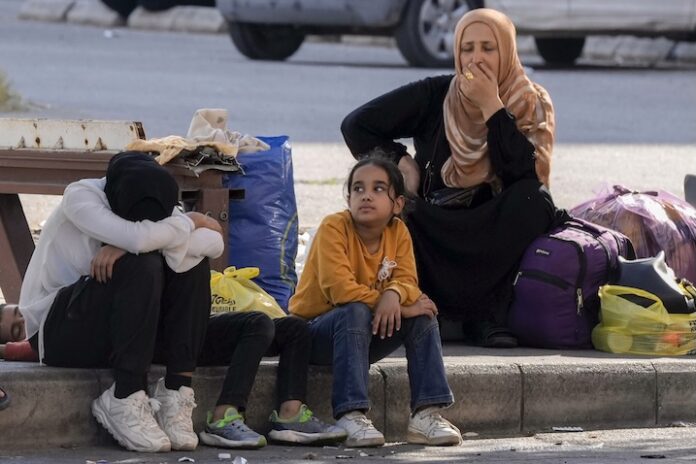
The current dismantling of Hezbollah’s leadership has positioned Lebanon on the edge of internal unrest, with the potential for civil war growing. Israel’s systematic targeting of Hezbollah’s hierarchy has left the group leaderless, causing ripples through Lebanon’s fragile political system. The Christian and Sunni communities, who have long called for Hezbollah’s disarmament, see this as an opportunity to challenge its dominance. As pressure from these factions intensifies, Hezbollah faces growing unrest from within Lebanon, with calls for it to transform from a military group into a purely political entity. The escalating tensions are setting the stage for a possible civil conflict, which could lead to widespread destabilization, a scenario that works in Israel’s favor.
Hezbollah’s Vulnerability and the Internal Pressure Mounting
Hezbollah’s military structure has been weakened, and it is now exposed to both external attacks and internal criticism. With the assassination of key figures like Hassan Nasrallah, the organization has been thrown into chaos, leaving a leadership void. This disorganization has emboldened Hezbollah’s opponents within Lebanon, particularly the Christian and Sunni communities, who have consistently demanded that Hezbollah relinquish its military power. These communities view the collapse of Hezbollah’s hierarchy as an opportunity to challenge the group’s political and military dominance. The pressure on Hezbollah to either reform or face further internal strife is growing, as Lebanon teeters on the brink of political collapse.
Israel’s Strategic Advantage in Lebanon’s Destabilization
Israel’s continued airstrikes against Hezbollah have not only decimated the group’s leadership but have also contributed to the destabilization of Lebanon. The collapse of Hezbollah’s communication networks and military capabilities has left it unable to organize effective resistance. As Lebanon faces this growing instability, Israel is poised to benefit from the chaos. An unstable Lebanon weakens Hezbollah’s influence in the region and prevents it from mounting future threats to Israel. Furthermore, civil unrest could lead to the disarmament of Hezbollah, which has long been a thorn in Israel’s side.
Iran’s Betrayal of Its Regional Allies
Iran’s refusal to assist Hezbollah during its most vulnerable period has revealed a significant shift in its regional strategy. Tehran has shown that it is more focused on its own survival and diplomatic priorities than on supporting its proxies in the region. This abandonment has been particularly evident as Iran distances itself from Hezbollah while seeking to revive nuclear negotiations similar to the JCPOA. Many Hezbollah supporters now view Iran’s actions as a betrayal, feeling that the group has been sacrificed for Tehran’s political interests. Iran’s failure to provide tangible support to Hezbollah during its confrontation with Israel has significantly damaged the alliance between the two.
The Shift in Iran’s Diplomatic Focus
Under President Masoud Pezeshkian, Iran has shifted its focus from supporting militant groups like Hezbollah to securing its international diplomatic standing. Pezeshkian’s willingness to restart nuclear talks and implicitly recognize the need for regional peace has signaled a significant change in Tehran’s foreign policy. This shift indicates that Iran is prioritizing its relationship with Western powers over its alliances with proxies like Hezbollah. By distancing itself from Hezbollah, Iran has left the group to fend for itself, further straining the relationship between the two. Tehran’s actions show that it views its alliances as disposable when they conflict with its broader diplomatic goals.
Lebanon’s Political Future and the Risk of Civil War
With Hezbollah weakened, Lebanon faces an uncertain political future, one that may result in further violence and instability. The Christian and Sunni factions, long opposed to Hezbollah’s military dominance, are now demanding its disarmament with renewed vigor. The risk of civil war looms as Lebanon’s political factions vie for power in the absence of Hezbollah’s strong leadership. Israel, which has contributed to Hezbollah’s decline, stands to benefit from a fragmented Lebanon that can no longer pose a unified threat. The potential for internal conflict remains high, and the country’s political landscape could dramatically shift as a result of Hezbollah’s weakened position.
